
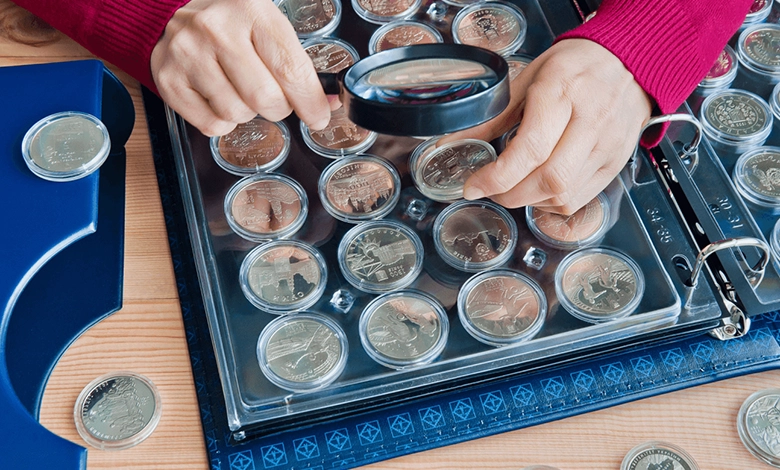
You just opened a small box from a relative and found stacks of coins in paper rolls, plastic flips, and even an old sock. The first thought is often, “Are these worth anything?” The second is, “How do I sell them without getting short-changed?” Knowing where value hides—and how it can slip away—keeps you from trading history for loose change. This blog walks you through each step in plain, everyday language. By the end, you will know how to sort, grade, document, price, and safely sell inherited coins so the final check reflects real market value, not a hurried guess.
Understand The Basic Coin Market Forces
Coin prices move because of two main forces: metal content and collector demand. Metal content (gold, silver, platinum, copper) is measured by weight and spot price. Collector demand comes from rarity, historical story, and condition. A silver Roosevelt dime always holds its melt value, but a 1916-D Mercury dime in fine shape fetches much more, even though both weigh nearly the same. When spot prices jump—say, silver moves from $25 to $30 per ounce—bullion coins often track that change within days. Collector pricing, shown in guides like The Red Book, changes more slowly and is updated yearly or after big auctions set new records. Always watch both markets: a weak bullion week can shave dollars off common silver rounds, while a headline auction can lift key-date coins for months.
Sort And Catalog Your Inherited Coins First
Start by laying every coin on a clean, soft cloth. Sort them into simple groups: country, denomination, and date range.
A notebook or spreadsheet helps you record:
- Year, mint mark, and face value
- Visible wear (light, moderate, heavy)
- Any odd features such as double dates or off-center strikes
Keep rolls or holders intact if they have written notes—those notes often point to scarce dates. Handling raw coins by the rims avoids fingerprint stains. If a coin looks shiny but feels sticky, do not clean it. Cleaning removes tiny surface metal, which lowers grade and price. Use plain zip bags to keep groups separate, and label each bag clearly. A tidy list lets you quote details quickly when a buyer or grading service asks for specifics.
Identify Bullion Versus Numismatic Value Key Factors
Some coins sell for metal only, others for history.
Bullion value factors include:
- Weight and purity stamp (e.g., “1 oz .999 Fine Silver”)
- Current spot price times weight minus dealer fee
- Common modern dates that trade like metal bars
Numismatic value factors include:
- Mintage figure (how many were made)
- Surviving population in high grades
- Key errors such as doubled dies or repunched mint marks
- Historical context (first year of issue, wartime shortages)
Example: A 2015 American Silver Eagle holds near spot value, while a 1909-S VDB Lincoln cent can reach thousands despite only containing a few cents of copper. Listing coins under the correct value type stops you from selling a key date for melt price or expecting rare-coin premiums from common bullion.
Check Grading Standards Before You Seek Offers
Third-party grading gives objective condition scores. The Sheldon scale runs from 1 (Poor) to 70 (Mint State). Scores above 60 show no wear; the coin left the mint shiny. Two major services—PCGS and NGC—assign grades, seal coins in tamper-proof slabs, and post results online.
Even if you skip formal grading, learn the basics:
- Look for sharp details in hair, feathers, or shield lines.
- Check high points for flat spots; these lower grade.
- Observe luster by tilting the coin under light; original mint shine is prized.
Knowing whether a coin is likely Very Fine (VF-20) or Mint State (MS-65) helps you judge offers. Graded coins usually sell for more because buyers trust the number. Yet grading costs about $20–$70 per coin plus shipping, so reserve it for pieces worth at least several hundred dollars raw.
Document Condition With Photos And Simple Notes
Clear photos add trust and save time. Use a phone camera in daylight or under a white LED desk lamp. Place the coin on a plain gray background; zoom in until the coin fills most of the frame. Shoot both sides and the edge if lettering is present. Label each photo file with year, mint mark, and a quick note—“1921-S Morgan, light bag marks.” Store photos in cloud folders matching your spreadsheet rows.
Good documentation:
- Lets remote buyers decide faster
- Acts as proof if items are lost in transit
- Helps you trace coins back if you split the set among siblings
Keep a paper copy of your master list inside the box; digital files can fail, but paper survives power cuts.
Compare Selling Channels For Best Net Payout
Different channels suit different coins. Consider these options:
Local Coin Shop (LCS)
- Fast cash; experienced eye
- Pays 60-80 % of retail for most pieces
Online Auction Platforms
- Wider reach, competitive bids
- Seller fees around 10-15 % plus payment processing
Certified Coin Shows
- On-the-spot grading offers
- Travel costs, entry fees, time commitment
Direct-to-Dealer for Bullion
- Bulk lots sold at once
- Rates tied tightly to spot, minimal haggling
Private Collectors
- Highest price for rare dates
- Requires networking and patience
Match coin types to channels: bullion bars move best to a bullion dealer, while a low-mintage proof set might shine in an online auction where collectors can fight over it. Always request a written quote showing offer price, fees, and payment timing before saying yes.
Avoid Common Mistakes That Shrink Final Return
Selling coins can go wrong in predictable ways:
- Cleaning coins thinking shiny means valuable
- Breaking original rolls or sets that carry a group premium
- Taking the first offer without at least two comparisons
- Ignoring small mint marks—an “S” or “CC” can add hundreds
- Using regular mail without insurance for high-value shipments
- Failing to check buyer reputation on review sites or grading forums
Pause before each step and ask, “Will this action remove value I can never get back?” If the answer might be yes, stop and re-evaluate.
Plan Tax Reporting And Safe Shipment Steps
In the United States, selling coins triggers capital gains tax if you make a profit. Keep purchase basis records; inherited coins usually receive a step-up in basis to fair market value on the date of inheritance. If a dealer issues Form 1099-B (common for large bullion sales), you will need that basis number to reduce taxable gain.
When shipping coins:
- Use USPS Registered Mail or insured Priority Mail
- Double-box high-value items
- Declare full value for insurance, not a vague “collectibles”
Track packages online and require signature on delivery. A lost package without insurance can wipe out months of careful planning.
Conclusion
Selling inherited coins can feel tricky, but steady steps keep dollars in your pocket. By understanding market forces, sorting smartly, matching the right channel, and guarding against easy mistakes, you give every coin its best chance to shine for a new owner—and return fair money to you. Northern Valley Coin and Currency offers coin services for sellers who want clear advice, transparent quotes, and safe handling from first look to final sale. Let their team turn your inherited collection into maximum value with minimum worry.