
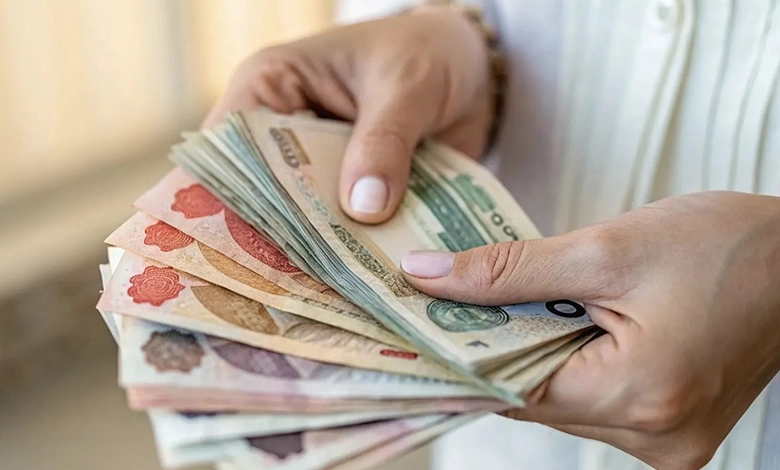
Paper money can hide in drawers for decades before its owner thinks of selling it. Yet the path from dusty drawer to fair market value is not hard once you know the right moves. This introduction sets the stage for seven clear steps that help you sort, protect, grade, and price every note without fancy tools or difficult jargon. You will learn how to spot real bills, measure condition, choose safe holders, and pick the best place to sell. Each section keeps sentences short and ideas easy. By the end, you will have a simple checklist that guides you from the first glance to the final handshake with confidence and clarity.
Gather Every Note and List Key Details
Start by placing all bills on a clean, flat table. Write down the face value, series year, signature combination, and any special prefix or suffix letters. These small marks can raise or lower value. Use a soft pencil on a notepad—never mark the bill itself. Next, group notes by country, era, or theme so you can spot duplicates fast. This quick inventory helps you track what you have and stops mix-ups later.
Include a simple tally table:
- Serial ranges: note runs like “A00012345-A00012350.”
- Printing errors: mis-cuts, ink smears, or wrong backs.
- Star notes: bills with a star beside the serial show replacements.
Cataloging first saves time when buyers ask for exact counts or rare varieties.
Check Authenticity With Light And Magnifier
Real notes use paper made of cotton and linen, not wood pulp. Hold each bill up to a lamp to spot embedded security threads and watermarks. Modern U.S. notes, for example, show thin plastic strips that glow under UV light and tiny words that repeat the denomination. A pocket UV flashlight costs little and fits in a drawer. A 5x jeweler’s loupe lets you see micro-printing—lines should look sharp, not blurry dots. Feel the surface: genuine intaglio ink is slightly raised on older issues.
Tip: wear thin cotton gloves to avoid skin oils that can leave stains. By checking now, you avoid embarrassment later if a buyer rejects a fake or “washed” bill.
Grade Condition Using Widely Accepted Basic Criteria
Collectors pay more for crisp bills. Use the standard grades below:
| Grade | Basic Look | Common Abbreviation |
| New | Perfect, no folds | UNC |
| Almost New | One light fold | AU |
| Extra Fine | Three folds, corners sharp | XF |
| Very Fine | Light wear, small edge marks | VF |
| Fine | Center fold wear, still solid | F |
| Very Good | Tears in margins, dirt | VG |
| Good | Heavy wear, holes possible | G |
Lay the note on a dark matte board and tilt it to find bends. Count folds, torn edges, and pinholes. Write the grade next to the note in your list. Stay honest: over-grading breaks trust and leads to returned sales. Use daylight or neutral white light; yellow bulbs hide stains.
Handle Notes Safely To Avoid New Damage
Once graded, move notes with care. Grasp only two opposite corners with clean, dry fingers or use plastic tweezers designed for stamps. Never lick fingers. Keep drinks away from the work spot; one splash can drop value to near zero. When you show bills to a friend or potential buyer, lay them flat on an acid-free mat. Rotate the mat instead of turning the bill in the air. Storage humidity should sit near 45–55 percent to stop mold, and temperature around 65–75 °F to prevent brittleness. A cheap digital hygrometer in your drawer helps you watch both numbers.
Choose Protective Holders Suited To Paper Size
Polypropylene or Mylar sleeves seal out dust while letting buyers inspect both sides. Pick a holder that leaves a 2 – 3 mm gap around the bill so edges stay flat. Rigid two-piece frames called “currency slabs” add more support for high-value notes. Avoid PVC plastic; it can leak softeners that stain paper green over time. For long-term sets, store sleeves upright in acid-free boxes.
Here’s a quick holder checklist:
- Soft sleeve: daily handling, low-to-mid value notes.
- Rigid top-loader: mid-value, shows front only.
- Sealed slab: third-party graded or thousand-dollar notes.
Label each holder on a sticky tab, not on the sleeve itself, for fast sorting.
Document Provenance And Market Trends Before Pricing
A short origin story adds trust. Write when and where you got the notes and any family link—“Grandfather saved these from 1940s wages.” Provenance helps confirm authenticity and draws interest at shows. Study recent auction data on sites like Heritage or eBay “Sold” listings. Compare grades and serial quirks, then note real sale amounts, not asking prices.
Build a simple pricing sheet with three columns:
- Your Grade
- Recent Sale Price (Same Grade)
- Target Asking Price (5 – 10 % below top sale to entice buyers)
Keep copies of high-resolution photos so remote buyers can examine the note before meeting.
Select The Right Venue And Finalize Sale
Local coin shops offer quick deals but may pay wholesale. Shows bring many buyers yet need table fees. Online platforms reach a wider crowd but charge final-value fees and demand strong photos.
Pick based on time, value, and comfort level:
- Coin shop: cash today, lower payout.
- Collector show: face-to-face, may get bidding wars.
- Online auction: widest reach, seller fees apply.
When you agree on a price, write a simple receipt: date, bill description, grade, amount, and signatures. Keep a copy. Ship insured and require a signature if mailing. Save tracking numbers until funds clear.
Conclusion
Selling paper money need not feel risky or hard. By following these seven plain steps—sorting, checking, grading, handling, protecting, documenting, and choosing the best venue—you set each bill on a smooth path toward fair value. If you would rather skip the legwork, Northern Valley Coin and Currency stands ready to buy your currency collections. Our friendly team offers fair quotes and fast payment so your notes find a new home without hassle.